Technology5 min read

Managed Services Provider Strategies for Secure and Efficient IT Management

C

Channel Database Team

Managed Services Provider Strategies for Secure and Efficient IT Management

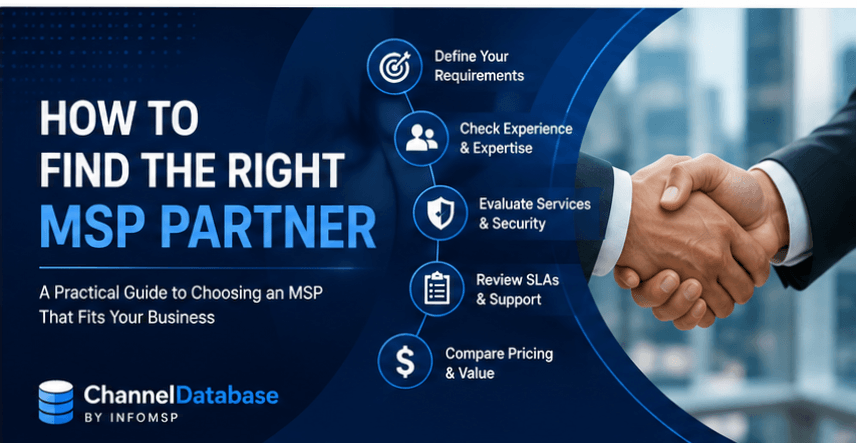
In today’s fast-moving digital world, businesses rely heavily on technology to operate, compete, and grow. However, managing IT infrastructure internally can be complex, expensive, and time-consuming. This is where a managed services provider becomes a strategic partner. By outsourcing IT responsibilities to experts, organizations gain access to advanced tools, skilled professionals, and proactive support that ensures both security and efficiency. A well-structured managed services approach not only reduces operational risks but also allows businesses to focus on innovation and core objectives.

Understanding the Role of a Managed Services Provider

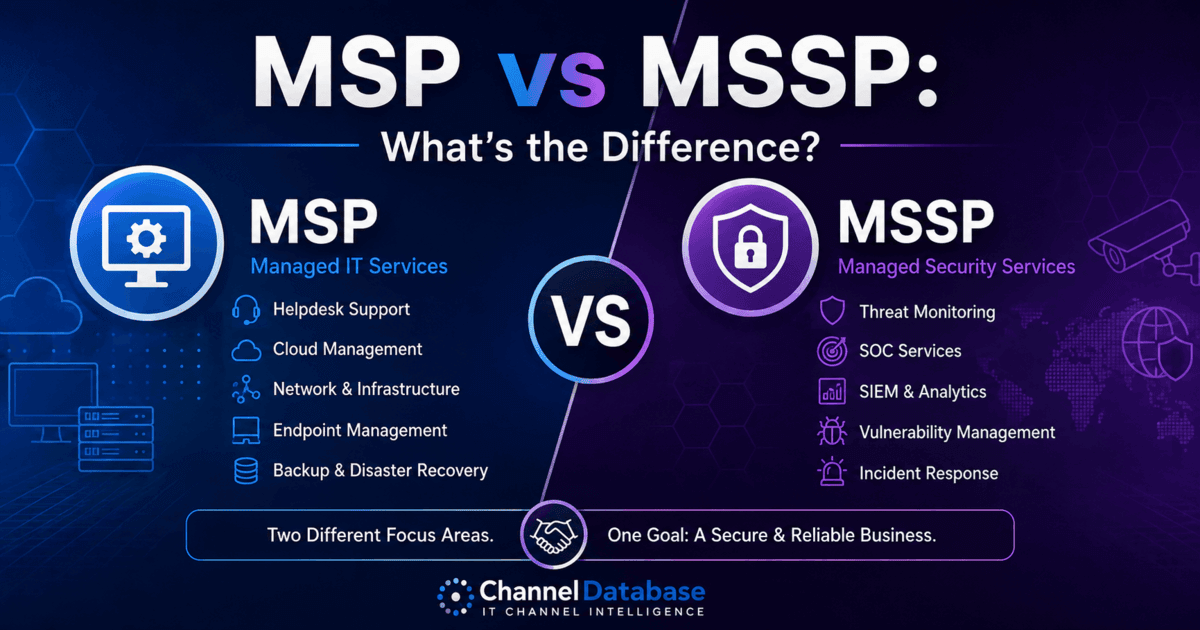
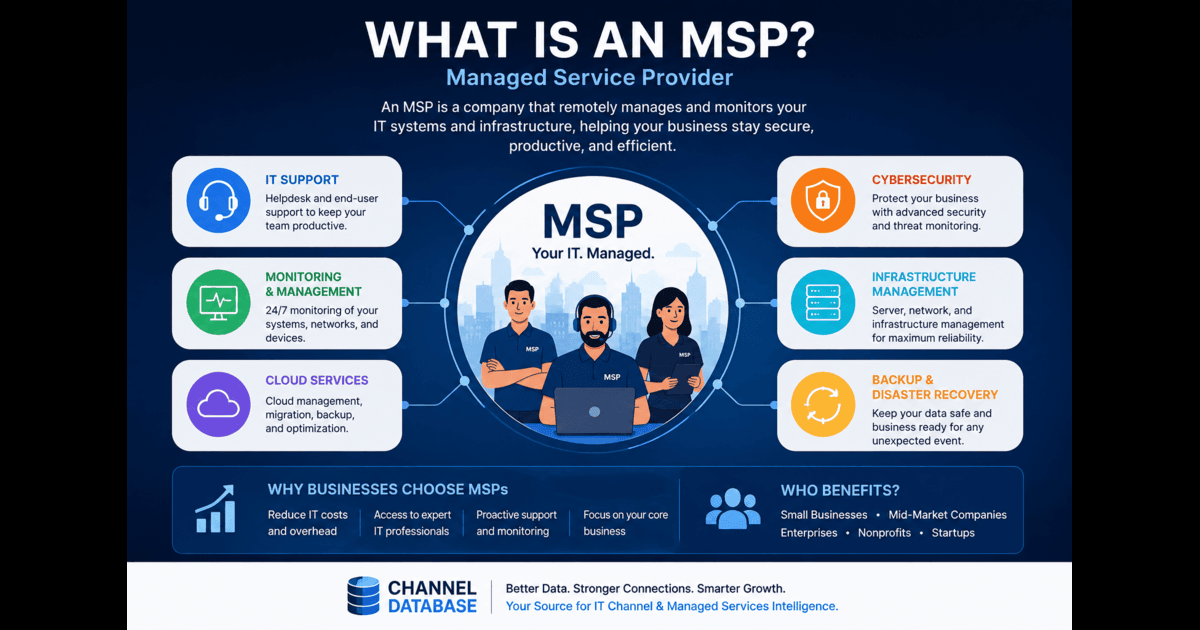
A managed services provider is a company that takes responsibility for managing, monitoring, and maintaining an organization’s IT systems on an ongoing basis. Instead of reacting to problems after they occur, managed services focus on prevention, performance optimization, and long-term stability. This includes services such as network management, cloud services, cybersecurity, data backup, disaster recovery, and IT support.

What makes this model valuable is its proactive nature. Businesses no longer need to worry about system downtime, outdated software, or security vulnerabilities. A professional managed services provider continuously monitors systems, identifies potential issues, and resolves them before they impact operations. This approach creates a reliable and predictable IT environment that supports business growth.

Why Businesses Choose Managed IT Services

Organizations of all sizes are turning to managed services provider solutions because of the tangible benefits they offer. One of the most important advantages is cost control. Instead of unpredictable IT expenses, businesses pay a fixed monthly fee for managed IT services, making budgeting easier and more transparent.

Another key benefit is access to expertise. Technology evolves rapidly, and keeping up with trends such as cloud computing, cybersecurity frameworks, and compliance requirements can be challenging. A managed services provider employs specialists with diverse skill sets, ensuring that businesses always have access to up-to-date knowledge and best practices. This eliminates the need to hire and train an in-house IT team for every new technology.

Security-First Strategies in Managed Services

Cybersecurity is a top concern for modern organizations, and a managed services provider plays a critical role in protecting digital assets. One of the most effective strategies used by managed service providers is continuous security monitoring. This involves real-time threat detection, vulnerability scanning, and automated alerts that help prevent cyberattacks before they cause damage.

In addition, managed services providers implement layered security measures such as firewalls, endpoint protection, encryption, and multi-factor authentication. These tools work together to create a strong defense against data breaches, ransomware, and unauthorized access. Regular security updates and patch management ensure that systems remain protected against newly discovered vulnerabilities.

Compliance is another important aspect of security. Many industries are subject to strict regulations regarding data protection and privacy. A reliable managed services provider helps organizations meet compliance requirements by maintaining proper documentation, enforcing security policies, and conducting regular audits. This reduces legal risks and builds trust with customers.

Enhancing Efficiency Through Proactive IT Management

Efficiency is at the core of any successful managed services provider  strategy. By monitoring systems around the clock, managed service providers can identify performance bottlenecks and optimize resources. This leads to faster systems, reduced downtime, and improved productivity across the organization.

Automation is another powerful tool used by managed services providers. Routine tasks such as software updates, system backups, and performance reporting are automated, freeing up time for both IT staff and employees. This not only reduces human error but also ensures consistency and reliability in IT operations.

Cloud management is also a major efficiency driver. A managed services provider helps businesses migrate to the cloud, optimize cloud resources, and manage hybrid environments. This enables organizations to scale their infrastructure based on demand while maintaining cost efficiency and performance stability.

Strategic IT Planning and Business Alignment

Beyond daily operations, a managed services provider acts as a strategic advisor. By understanding business goals, managed service providers develop IT roadmaps that align technology investments with long-term objectives. This includes planning for growth, adopting new technologies, and improving digital workflows.

Strategic planning also involves risk management and disaster recovery. Managed services providers design backup and recovery solutions that ensure business continuity in the event of system failures, cyber incidents, or natural disasters. Having a tested disaster recovery plan minimizes downtime and protects critical data, which is essential for maintaining customer confidence.

Scalability and Flexibility for Growing Businesses

As businesses grow, their IT needs change. A major advantage of working with a managed services provider is scalability. Managed IT services can be easily adjusted to accommodate new users, locations, or technologies without significant disruptions.

This flexibility is particularly valuable for small and medium-sized businesses that want enterprise-level IT capabilities without the associated costs. Whether it’s expanding cloud storage, adding cybersecurity features, or supporting remote work environments, a managed services provider ensures that IT infrastructure grows alongside the business.

Building Long-Term Partnerships Through Managed Services

A successful managed services provider relationship is built on trust, transparency, and communication. Regular reporting, performance reviews, and strategic discussions help businesses understand how their IT environment is performing and where improvements can be made. This collaborative approach transforms IT from a support function into a strategic asset.

By focusing on continuous improvement, managed service providers help organizations stay competitive in an increasingly digital marketplace. They adapt strategies based on emerging technologies, evolving threats, and changing business needs, ensuring long-term success.

Conclusion

A managed services provider is more than just an outsourced IT solution; it is a strategic partner that enables secure, efficient, and scalable technology management. Through proactive monitoring, advanced security measures, and strategic planning, managed services provider  help businesses reduce risks, control costs, and improve performance. As technology continues to shape the future of business, partnering with a reliable managed services provider is a smart and forward-thinking decision.

Frequently Asked Questions

Q1

What does a managed services provider do?

A managed services provider monitors, manages, and supports IT systems to ensure security, reliability, and efficiency on an ongoing basis.
Q2

How can a managed services provider improve cybersecurity?

By offering continuous monitoring, threat detection, security updates, and compliance support to protect systems from cyber threats.
Q3

Are managed IT services cost-effective for small businesses?

Yes, managed IT services provide predictable pricing, expert support, and scalable solutions without the cost of a full in-house IT team.
Q4

Can a managed services provider support remote work?

A managed services provider can manage cloud systems, secure remote access, and provide ongoing support for distributed teams.
Q5

How do managed services help with business growth?

Managed services providers align IT strategies with business goals, ensuring scalable, secure, and efficient technology that supports expansion.
Managed ServicesIT ManagementCybersecurityBusiness GrowthCloud ServicesIT SupportTechnology ManagementDisaster RecoveryRemote WorkCost Efficiency